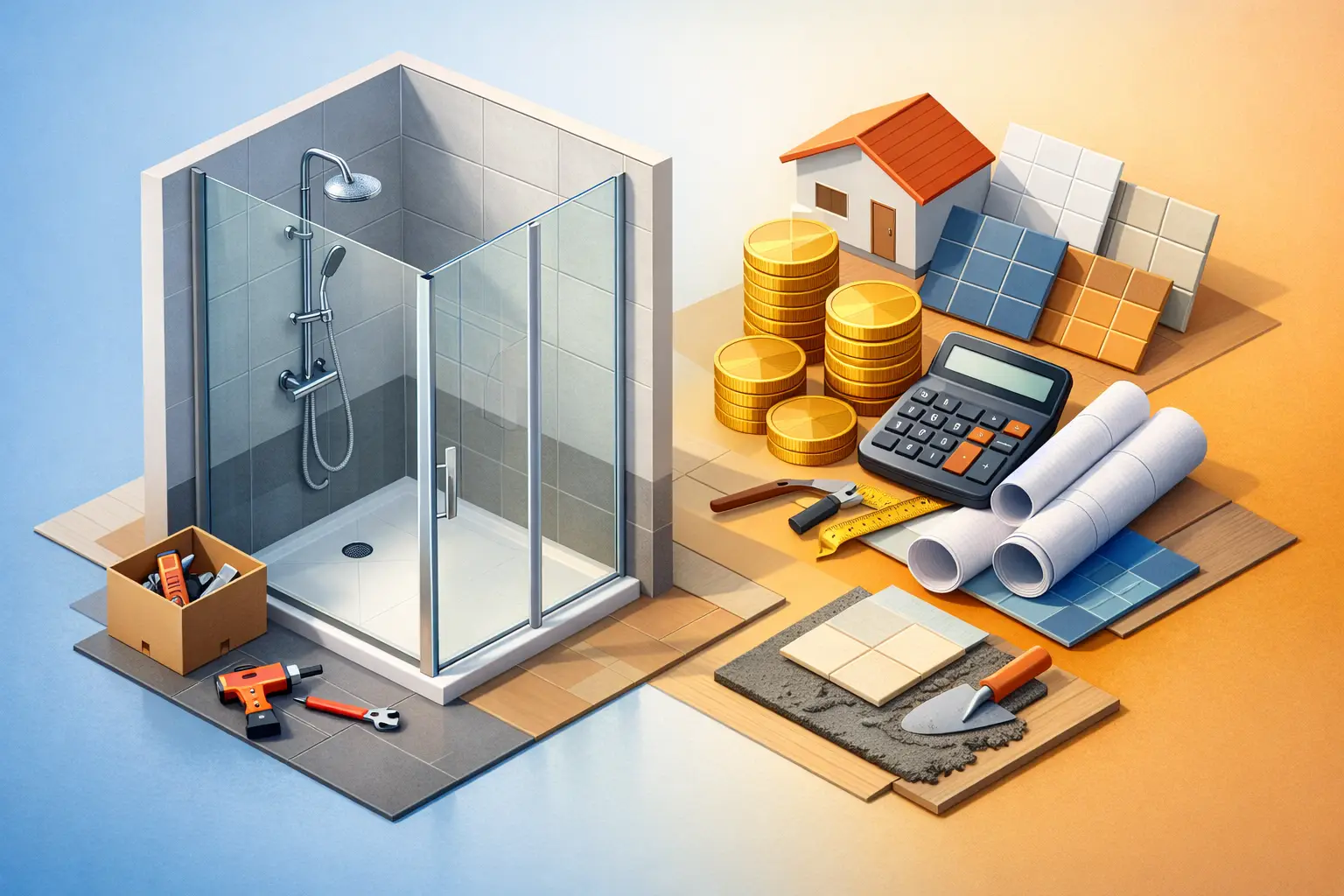
Walk In Shower Installation Cost Explained
A shower replacement can look straightforward on a showroom floor, but the work behind a beautiful finished space is what determines the final investment. Walk in shower installation cost depends on far more than the shower pan and wall tile. It reflects the condition of your existing bathroom, the level of customization you want, and the skilled work required to build a space that feels refined and performs reliably for years.
For homeowners planning a bathroom upgrade in the Rochester area, the most useful question is not simply, “What does a walk-in shower cost?” It is, “What kind of shower will best improve my daily routine, fit my home, and support the level of finish I want?” A thoughtful plan makes it easier to set the right budget from the beginning.
What Is the Average Walk In Shower Installation Cost?
A professionally installed walk-in shower commonly falls between $8,000 and $25,000 or more as part of a bathroom remodel. A more basic replacement using a prefabricated base, standard wall materials, and minimal plumbing changes may land toward the lower end. A custom tiled shower with a frameless glass enclosure, niche storage, upgraded fixtures, and layout changes can move well beyond that range.
The broad range is not a sign that pricing is unclear. It reflects how differently two walk-in showers can be built. One homeowner may be replacing an existing tub with a compact, practical shower. Another may be creating a spacious spa-like retreat with large-format tile, a linear drain, a bench, and premium finishes. Both are walk-in showers, but they require very different materials, labor, and planning.
A consultation-led estimate should separate the major parts of the project so you can see where your investment is going. That clarity helps you decide which features are essential now and where a more restrained selection may still deliver the look you want.
The Work Behind Walk In Shower Installation Cost
A finished shower is only as dependable as the construction behind the tile. Demolition, subfloor preparation, plumbing adjustments, waterproofing, shower-pan installation, tile setting, grout, and glass all contribute to the project cost. Some of these steps are visible at the end of the project. Others are not, but they protect your home from costly problems later.
Demolition and preparation
Removing an old tub or shower can reveal conditions that were impossible to assess beforehand. Water damage, aging plumbing, an uneven floor, or inadequate framing may need attention before new work begins. In older homes, these discoveries are not unusual. A responsible remodeling plan includes room for necessary repairs rather than covering up issues that could compromise the new shower.
Preparation also matters when converting a tub alcove into a walk-in shower. The space may need reframing to accommodate a larger opening, a recessed niche, a bench, or a glass enclosure. If the shower floor needs to be lowered or reworked to create a low-threshold entry, that adds labor but can improve accessibility and the clean, open appearance many homeowners want.
Plumbing and drainage
Keeping the shower valve, drain, and supply lines in their existing locations is generally more budget-friendly. Moving them can be worthwhile when the current layout feels cramped or does not support the shower design, but it requires additional plumbing work.
Drain placement deserves special attention. A center drain is familiar and often cost-effective, while a linear drain can create a more contemporary look and allow large tiles to run continuously across the shower floor. That detail can elevate the finished room, though it usually requires more precise floor preparation and installation.
Waterproofing and tile installation
Waterproofing is not the place to cut corners. A properly built shower uses a complete system to direct water where it belongs and protect the framing and subfloor behind the finished surfaces. The materials and labor involved are a meaningful part of the budget, especially for a fully tiled shower, but they are fundamental to a long-lasting result.
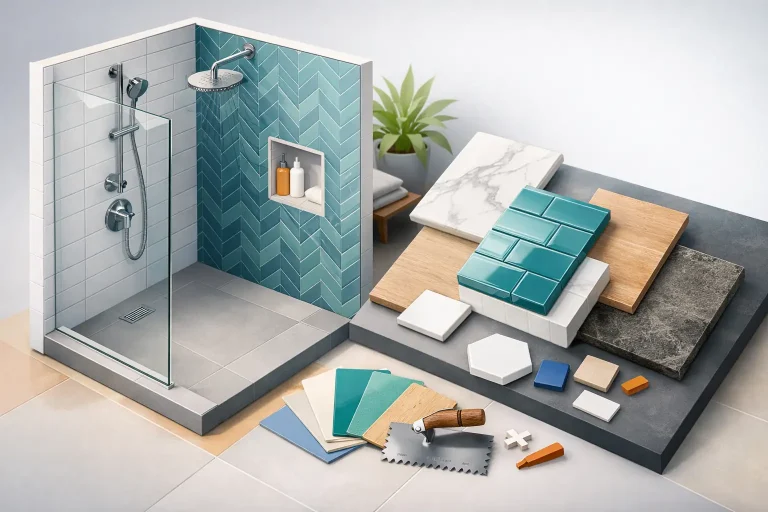
Tile pricing varies dramatically. Standard ceramic tile can offer a clean, polished look at a practical price. Porcelain is a popular choice for its durability and design range. Natural stone, hand-finished tile, intricate mosaics, and large-format materials can add visual impact while increasing material costs and installation time. Large tiles may mean fewer grout lines, but they require careful layout and flat, well-prepared walls.
Features That Raise or Lower Your Budget
The best walk-in shower is not necessarily the one with every available upgrade. It is the one designed around how you use the space. Still, a few selections have an especially noticeable effect on cost.
A prefabricated shower base usually costs less than a custom tiled floor. It can be an excellent fit for homeowners who want a streamlined update, easier maintenance, and a shorter installation process. A custom mud-set or tiled base offers more flexibility in size, drain location, and appearance, making it well suited to a luxury bathroom transformation.
Glass is another major variable. A framed enclosure may be the most economical option, while a fixed frameless glass panel can create an airy, modern look. Full frameless doors, thicker glass, custom sizing, and specialty hardware increase the investment. In a smaller bathroom, the visual openness of clear glass can make the entire room feel larger, which is often worth considering.
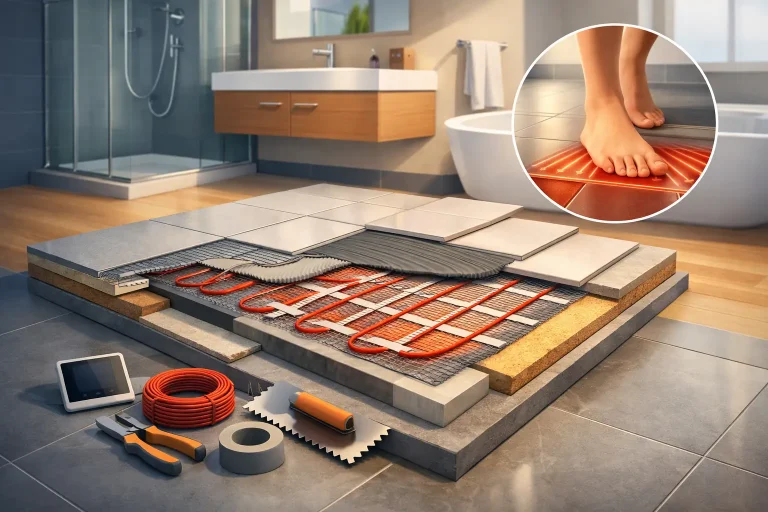
Storage and comfort features also add up in useful ways. A recessed niche keeps bottles off the floor without taking up shower space. A built-in bench adds convenience and can support aging-in-place goals. Multiple showerheads, handheld sprays, thermostatic controls, heated floors, and statement lighting each bring a different level of comfort and customization. Choose the features that will improve your everyday experience rather than adding upgrades simply because they are available.
When a Shower Conversion Costs More
Replacing an existing shower is generally simpler than removing a bathtub and building a new walk-in shower in its place. A tub-to-shower conversion may require changes to plumbing, wall framing, flooring, ventilation, and surrounding finishes. If the old tub sat in a larger alcove, the newly exposed floor and walls also need to be finished in a way that feels intentional.
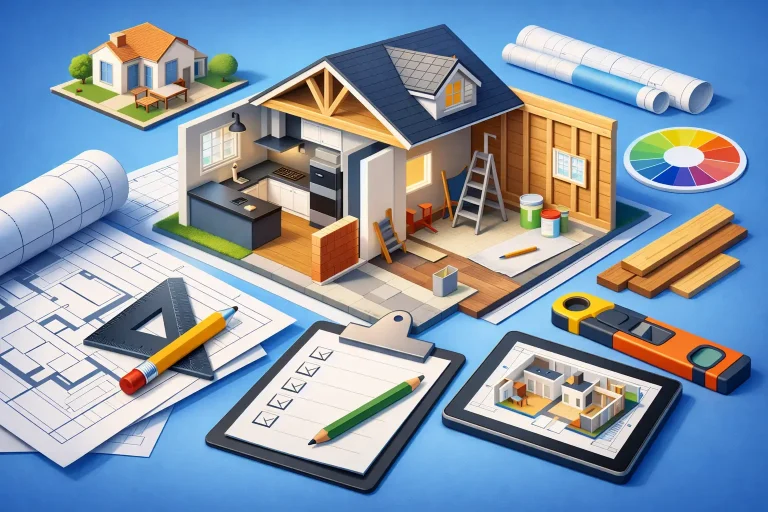
The rest of the bathroom can influence the decision. New shower tile beside a worn vanity, dated flooring, or an undersized light fixture may make the room feel only partly updated. For that reason, many homeowners choose to coordinate the shower project with a new vanity, tile floor, paint, lighting, and storage. This creates a more cohesive finished space, though it changes the project from a shower installation to a more complete bathroom remodel.
How to Plan a Realistic Shower Budget
Start with the experience you want from the room. Consider the size of the shower, who will use it, the amount of storage you need, and whether accessibility is a priority. Then identify the finishes that matter most to you. For some homeowners, that is a striking tile design. For others, it is a low-curb entry, durable porcelain surfaces, or a generous glass enclosure.
It also helps to reserve a contingency for concealed conditions, particularly in an older bathroom. No contractor should manufacture surprises, but a well-planned project acknowledges that demolition can reveal repairs that need to be addressed. A clear scope, detailed material selections, and open communication are the strongest ways to keep decisions grounded.
When comparing estimates, look beyond the bottom-line number. Confirm whether the proposal includes demolition, permits where required, plumbing, waterproofing, tile labor, fixtures, glass, debris removal, and finish work. An unusually low estimate may exclude essential steps or rely on allowances that do not match the products you have in mind.
Invest in a Shower That Feels Built for Your Home
A walk-in shower can make a bathroom more comfortable, easier to navigate, and far more personal. Its value comes from the details you see every morning and the craftsmanship you may never see behind the walls. At Home Custom Remodeling, the goal is to guide homeowners toward a design that balances beautiful finishes, practical function, and a budget that supports lasting quality.
The right shower does not have to copy a showroom display or include every luxury feature. It should make your home feel better suited to the life you live now, with thoughtful choices that you will appreciate long after the construction is complete.