Best Tile for Shower Walls: What to Choose
A shower can look beautifully updated on day one and still become a daily frustration if its surfaces are hard to clean, poorly installed, or simply out of step with the rest of the bathroom. The best tile for shower walls is not one universal material. It is the tile that suits your household, your design vision, and the level of maintenance you are comfortable with for years to come.
For many Rochester-area homeowners, that decision comes down to balancing a polished, custom look with practical durability through changing seasons, busy mornings, and real family life. The right tile gives a bathroom lasting visual impact while creating a space that feels easier to enjoy every day.
What Makes the Best Tile for Shower Walls?
Shower walls face constant moisture, soap residue, shampoo, and temperature changes. A beautiful tile matters, but so do water absorption, grout maintenance, wall preparation, and the quality of installation behind the finished surface.
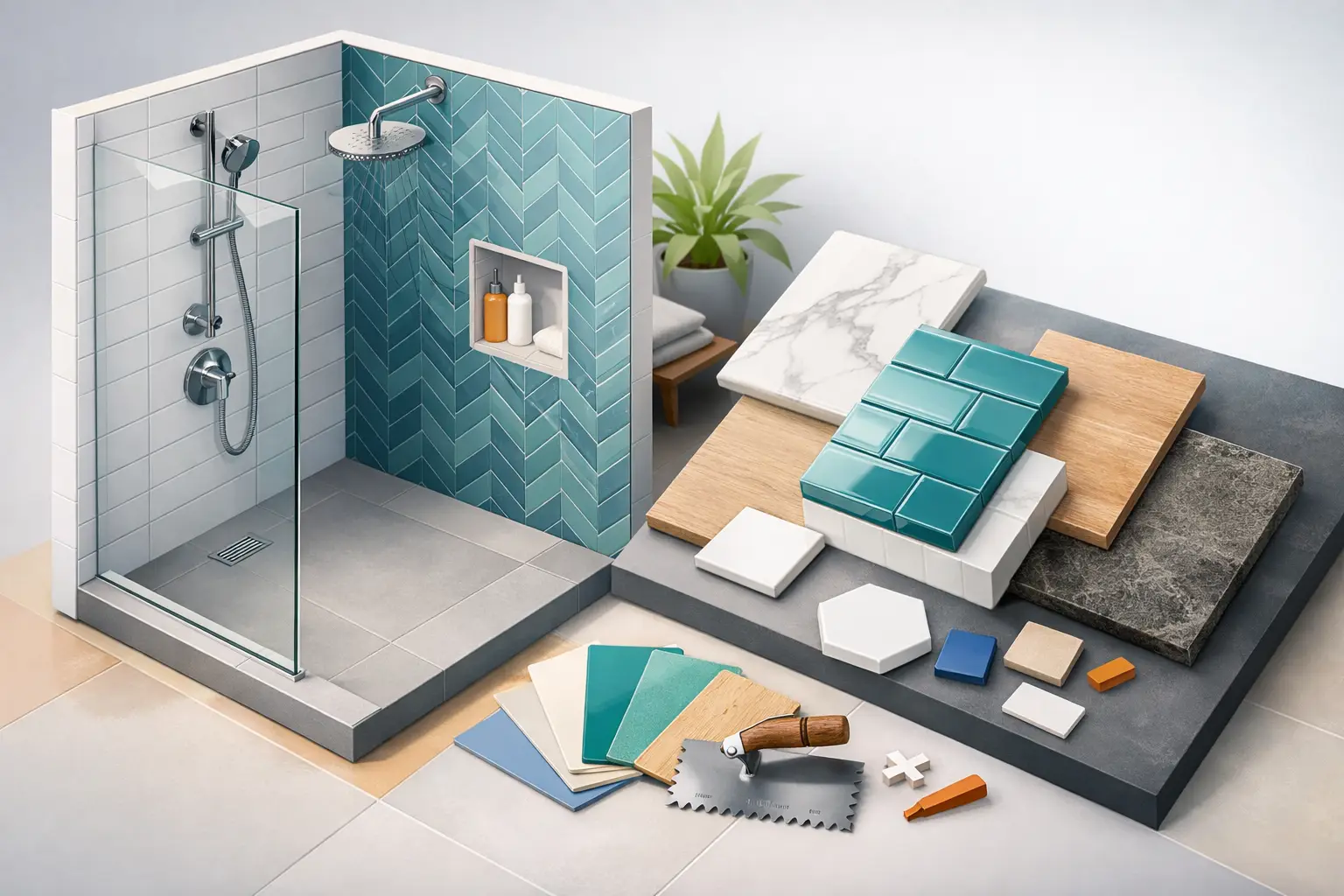
Porcelain, ceramic, natural stone, and glass can all work in a shower when selected and installed thoughtfully. The best option depends on whether your priority is low maintenance, dramatic texture, a timeless neutral backdrop, or a more personal statement.
Tile size also changes both the appearance and upkeep of a shower. Larger-format tiles create a clean, expansive feel with fewer grout joints. Smaller tiles add pattern and flexibility, especially around niches, benches, and detailed layouts, but they naturally introduce more grout to maintain. Neither approach is automatically better. It depends on the room and how you want it to function.
Start With the Whole Bathroom, Not a Sample Board
A small tile sample can be misleading. Lighting, vanity color, fixture finish, floor tile, and the shower enclosure all affect how a wall tile reads in the finished room. A soft white tile may look crisp next to warm brass but feel cooler alongside chrome. A bold veined porcelain may be striking on one wall yet overwhelming when used from floor to ceiling in a compact bath.
This is why a complete design plan is so valuable. Consider the tile in the context of the whole room, including where the eye lands when the shower door is open. A thoughtfully chosen shower wall can become the feature that makes an ordinary bathroom feel custom-built.
Porcelain Tile: The Most Versatile Choice
For many bathroom remodels, porcelain is the strongest all-around choice. It is dense, durable, and highly resistant to moisture. It is also available in an exceptional range of colors, formats, and finishes, including convincing stone, marble, concrete, and wood-inspired looks.
Porcelain makes sense for homeowners who want an elevated design without the ongoing care associated with some natural materials. Large porcelain slabs or large-format tiles can deliver the calm, luxurious appearance of stone with fewer grout lines. Smaller porcelain tiles can bring shape and personality through herringbone, stacked, hexagon, or handmade-inspired styles.
Not every porcelain tile is the same, however. A highly textured finish may be more difficult to wipe clean on shower walls. Very large tiles require precise wall preparation and experienced installation to avoid uneven edges and awkward cuts. A professional tile team can help match the format to the condition and dimensions of the shower so the result looks intentional rather than forced.
Ceramic Tile: A Classic, Budget-Friendly Option
Ceramic tile remains a smart choice for shower walls, particularly for homeowners drawn to classic subway tile, soft colors, or handcrafted visual character. It is generally more affordable than porcelain and comes in an impressive range of glazes, sizes, and shapes.
Glazed ceramic wall tile is well suited for vertical shower applications because it is easy to clean and does not need to withstand the same impact as bathroom flooring. It can be an excellent way to create a polished shower without allocating too much of the budget to wall material.
The trade-off is that ceramic is usually less dense than porcelain and can be more prone to chipping at exposed edges. It also may not be appropriate for every application, especially if you hope to carry the same tile from the shower walls onto the floor. Still, in the right design, ceramic offers enduring style and substantial value.
Subway Tile Does Not Have to Feel Basic
Subway tile earns its popularity because it works. Its simple shape complements traditional, transitional, and contemporary bathrooms alike. The difference is in the details: tile size, layout, grout color, edge trim, and the way it pairs with the vanity and fixtures.
A vertically stacked subway tile can make a low ceiling feel taller. A longer tile installed in a running bond offers a more relaxed, classic look. A tonal grout creates a quiet backdrop, while contrasting grout emphasizes the pattern. These decisions may seem small, but together they determine whether the shower feels standard or distinctly yours.
Natural Stone: Unmatched Character With More Care
Marble, travertine, limestone, and slate bring one-of-a-kind color variation and texture that manufactured tile cannot fully duplicate. For homeowners creating a spa-like primary bathroom or a traditional luxury bath, natural stone can be a remarkable choice.
It also requires a clear understanding of maintenance. Many stones are porous and need proper sealing. Some react to acidic cleaners, while others can show etching, mineral marks, or natural changes over time. Those characteristics are part of stone’s authenticity, but they are not right for every household.
If you love the look of marble but prefer a lower-maintenance shower, marble-look porcelain is often a compelling alternative. It captures the movement and elegance of natural veining while offering easier daily care. There is no wrong choice between real stone and porcelain – only the better choice for your expectations.
Glass and Accent Tile: Use It With Intention
Glass tile reflects light beautifully and can make a shower feel brighter, especially in a bathroom with limited natural light. It is often most effective as an accent rather than the main wall finish. A glass mosaic niche, a vertical decorative stripe, or a carefully framed feature wall can add dimension without overpowering the room.
Glass does show water spots and soap residue more readily than matte porcelain or ceramic. It also requires careful installation because its transparency can reveal inconsistent mortar coverage behind the tile. Used selectively and installed correctly, it provides a refined finishing touch.
Grout Is Part of the Design Decision
Homeowners often focus on tile and treat grout as an afterthought. In a shower, grout color and material have a major effect on maintenance and visual impact. Light grout can create an airy look, but it may show discoloration sooner in a high-use shower. Dark grout defines the tile pattern, though it can make a small shower feel busier.
For many projects, a quality stain-resistant grout offers a practical middle ground. It helps simplify upkeep without sacrificing the color and finish that complete the design. Grout joints should also be sized appropriately for the selected tile and layout. Very narrow joints are not always realistic with tiles that have natural variation or irregular edges.
Just as important, tile and grout are only the visible layer. A lasting shower depends on proper waterproofing, sound wall preparation, correct material selection, and precise detailing at corners, niches, benches, and transitions. The most expensive tile cannot compensate for shortcuts behind the wall.
Choose a Tile That Fits Your Daily Routine
Before selecting a final tile, think beyond the showroom. Do you want a low-maintenance shower that can handle a busy household? Are you designing a primary bath where a more luxurious material is worth the added care? Will the bathroom need to appeal to future buyers, or is the goal to create a space that reflects your personal style now?
A large-format porcelain in a warm stone look is often ideal for a calm, easy-care retreat. Glossy ceramic may be perfect for a bright guest bath. Natural stone can create an unforgettable primary suite when you appreciate its organic variation and are prepared to care for it. The best tile is the one that supports how you want to live in the room, not simply the one that looks best under showroom lights.
At Home Custom Remodeling, our experts help homeowners bring those choices together into a bathroom that feels elevated, functional, and built for the long term. A consultation is the place to compare materials, discuss your goals, and see how thoughtful tile work can turn an outdated shower into a space you look forward to using every morning.